Do you picture soaring brick walls, sun pouring through factory windows, and a flexible open plan? Or do you want a finished home with a concierge, gym, and a predictable monthly budget? In the West Loop, you can have either lifestyle, but each path comes with trade-offs. This guide helps you compare lofts and traditional condos through the lens of space, amenities, costs, financing, and resale. You will also get a decision framework and a practical checklist for showings so you can choose with confidence. Let’s dive in.
What Loft and Condo Mean
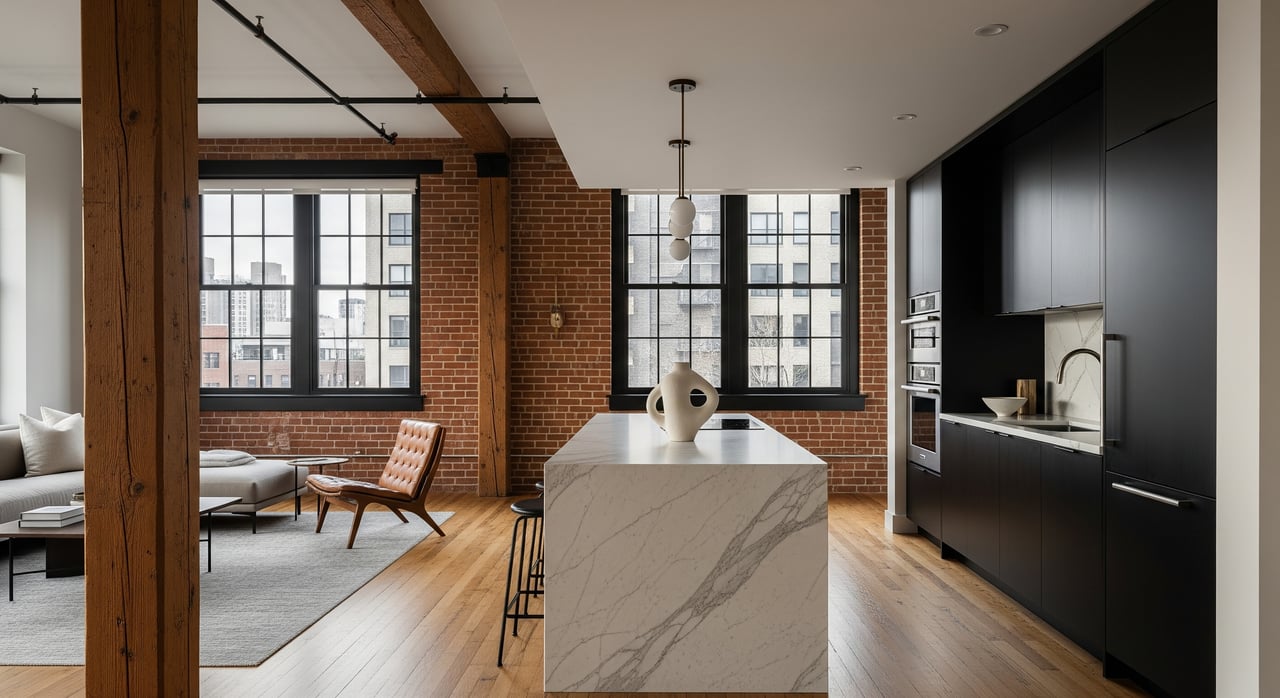
In the West Loop, “loft” describes an architectural style rather than a legal category. You will often find units inside converted industrial buildings with high ceilings, large windows, open layouts, and exposed structure. Some newer projects mimic this look with loft-style finishes.
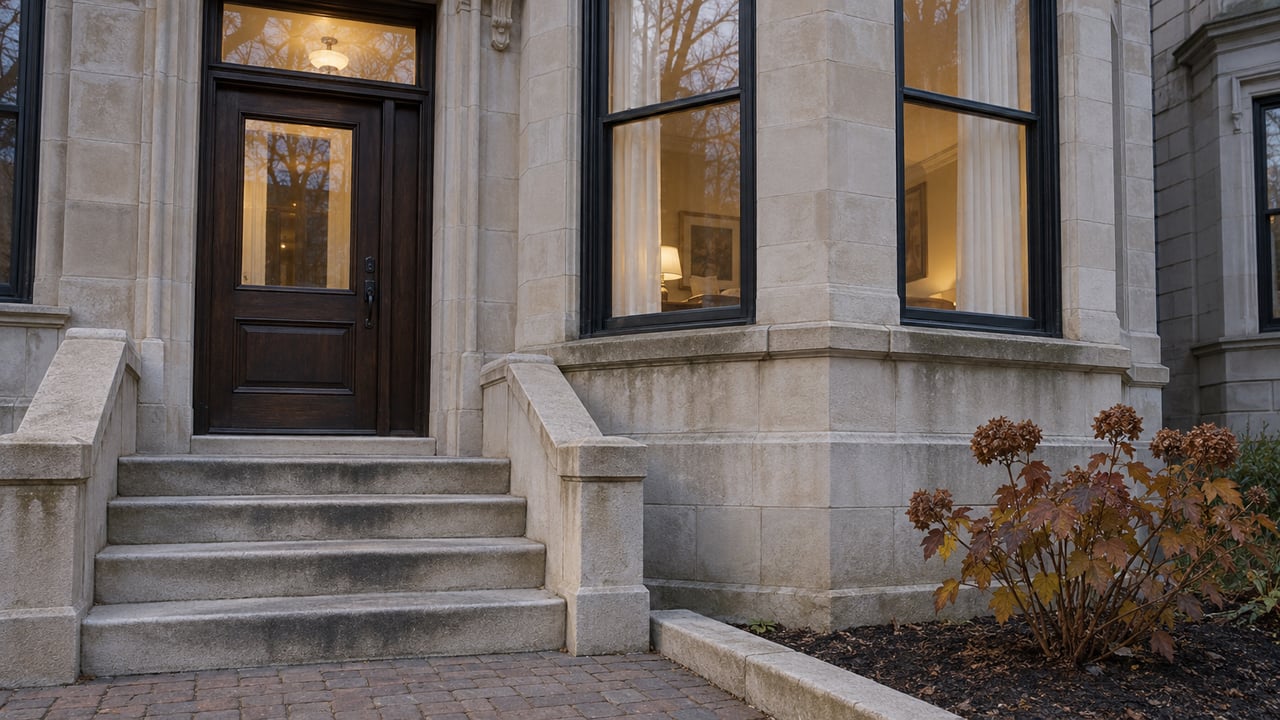
“Traditional condo” refers to residential buildings designed as condos from the start. These usually feature defined floor plans, standard ceiling heights, and a consistent set of amenities. Many are mid or high rises near the riverfront, Randolph Street, and Fulton Market.
Always separate style from ownership. A raw loft can still be a condominium legally. Verify the legal form, any live/work or mixed-use designations, and the building’s age and construction type before you make an offer.
Space, Light, Layout
Lofts: Volume and Flexibility
Lofts often deliver 10 to 16 foot ceilings, wide spans, and large factory windows. You get dramatic light and a sense of volume with fewer interior walls. The trade-off is planning. You may need to design bedroom separations, closets, and storage to fit your routine.
Condos: Defined Rooms and Flow
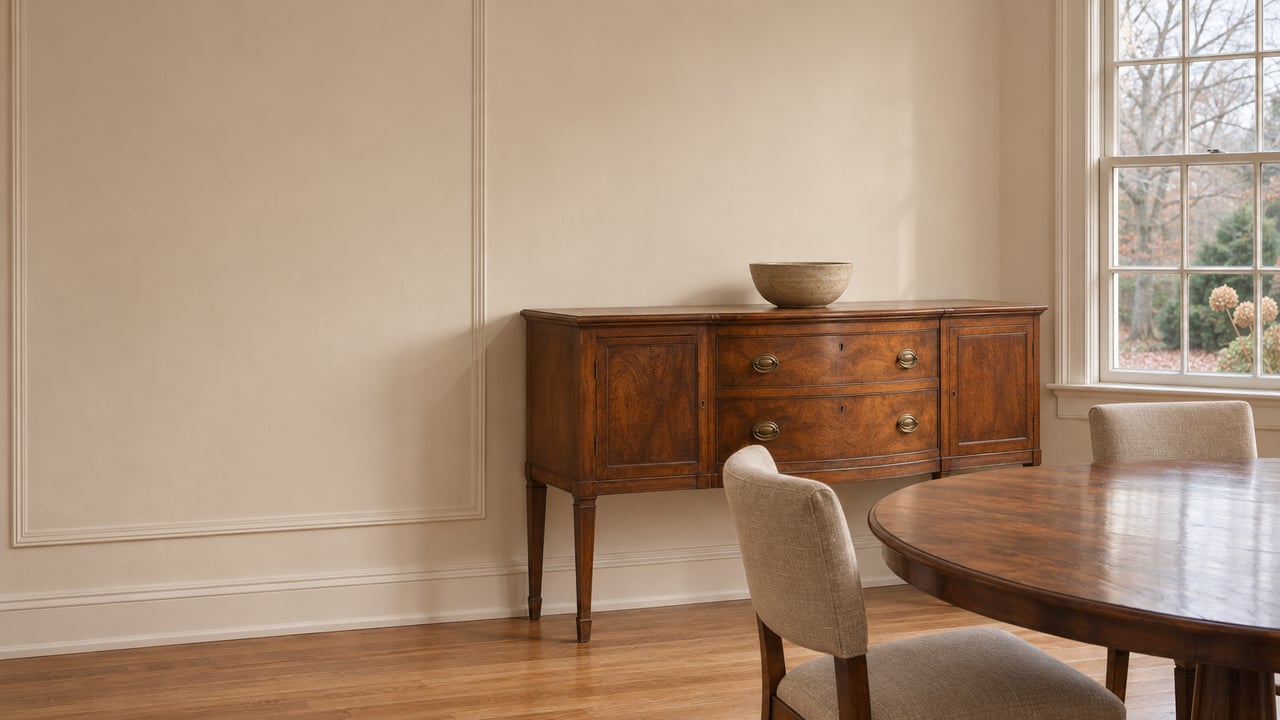
Traditional condos typically have 8 to 10 foot ceilings, enclosed bedrooms, and built-in storage. Circulation is clear from day one, which makes day-to-day living simple. Higher-end units may offer taller ceilings, yet they keep the predictability of a residential layout.
Finishes and Work
Raw lofts can come with exposed ducts, concrete or timber floors, and unfinished walls. You might need to create bedrooms or upgrade kitchens and baths. This opens the door to customization, but it adds time and budget.
Traditional condos are generally move-in ready with finished interiors and established mechanicals. You trade some flexibility for convenience and speed.
Amenities and HOA Fees
Amenity Sets
Many West Loop condos offer concierge or doorman service, fitness centers, rooftop decks, lounges, package rooms, secure parking, and on-site management. Converted loft buildings often have fewer shared amenities, sometimes only a small roof deck or basic common areas.
Assessments and Reserves
Buildings with robust amenities and staffing usually have higher monthly assessments. Boutique loft conversions tend to have lower fees but smaller reserve funds and fewer services. Ask for the HOA budget, reserve study, master insurance summary, and any recent special assessments. Older conversions with limited reserves are more likely to levy special assessments for façade work, roof repair, or mechanical upgrades.
Noise and Privacy
Open plans and hard surfaces in lofts can amplify sound within the unit and, depending on construction, between units. Exposed ducts and high ceilings can increase echo. The details matter. Concrete slabs and separated floor systems reduce transfer, while thinner joists or wood-frame assemblies can increase noise risk.
Traditional condos usually deliver better sound separation with enclosed bedrooms and purpose-built residential floor and wall assemblies. Always test noise at different times of day and ask about known building noise issues.
Systems and Insurance
Condos carry a master insurance policy for common elements and the exterior. You will carry an HO-6 policy for the interior. Confirm whether the master policy is “bare walls-in” or “all-in,” because that affects what you insure and maintain.
Converted lofts may have older roofs, boilers, or HVAC systems. Newer condo buildings often have modern centralized systems and more structured maintenance. Smaller, boutique buildings may rely on a volunteer board and less formal management, which can require more owner involvement.
Parking and Storage
In the West Loop, some condos include deeded garage spaces. Many loft conversions do not guarantee parking, which can mean renting a space nearby or using street parking. Check the building’s parking set-up before you fall in love with a unit.
Storage can also vary. Lofts frequently lack built-in closets and may depend on creative solutions or separate storage lockers. Verify bike storage, assigned lockers, and any basement storage.
Financing and Resale
Financing and Appraisals
Lenders may be more conservative with nonstandard properties, such as open-plan units without defined bedrooms or buildings with a live/work mix. Some banks also look at condo reserve levels and owner-occupancy ratios. Appraisers use comparable sales, and the comp pool for unique lofts can be narrower, which may increase valuation swings.
Resale Liquidity
Traditional condos appeal to a broader buyer pool that includes families, downsizers, and investors. Lofts attract buyers who value architectural character and volume. In strong design-driven markets, distinctive lofts can command attention. In markets favoring turnkey convenience, condos may sell faster.
Decision Framework
Use this simple process to narrow your choices in the West Loop.
- Priorities and lifestyle
- Must-haves: number of enclosed bedrooms, parking, storage, amenity importance, tolerance for renovation and noise, desire for historical character versus turnkey living.
- Ownership horizon: short-term of 2 to 5 years versus long-term of 7+ years influences how much weight you give to resale liquidity and broad appeal.
- Financial filter
- Total monthly cost = mortgage principal and interest + property taxes + HOA/assessment.
- Add a one-time renovation budget if you lean loft. Request the HOA budget, reserve study, insurance summary, special assessment history, and 12 to 24 months of financial statements.
- Due diligence by property type
- Lofts or conversions: ask for conversion documentation, permits, certificate of occupancy changes, and any outstanding violations. Review structural and mechanical reports and confirm legal use and any commercial tenants.
- Condos or newer buildings: confirm any active warranties, and review amenity rules, pet policies, rental caps, and subletting rules.
- Governance and risk
- Review declaration, bylaws, and board minutes from the last 12 to 24 months for litigation, deferred maintenance, and pending projects. Confirm whether the building has professional management.
- Inspection and testing
- Test noise at weekday, evening, and weekend times. Check light and sightlines when you will use the home. For lofts, sketch bedroom placement and note where mechanicals and venting would go. Confirm window type and condition.
- Financing check
- Speak with a lender early. Share building documentation and photos to surface any underwriting concerns such as reserve ratios, mixed commercial use, or low owner occupancy.
Showing Checklist
Bring this quick list to each showing:
- Ceiling height and window orientation
- Number of exterior walls and natural light
- Sound transfer tests between rooms and floors
- Building entry, security, and package handling
- Parking type and availability
- Storage options: closets, lockers, bike storage
- HOA fee and what it covers
- Master insurance type: bare walls-in or all-in
- Reserve fund amount and recent special assessments
- Roof and façade repair history
- Pest or rodent history
- Any deed restrictions or landmark status
Chicago Legal and Taxes
Illinois condominiums follow the Illinois Condominium Property Act, so review the declaration and bylaws. In Chicago, conversions, zoning, and live/work designations can affect permitted use and required permits. Some Fulton Market blocks have historic or design controls that impact exterior work.
Property taxes are set by the Cook County Assessor and can vary between converted loft condos and new condominium units based on assessed valuation and exemptions. Ask for recent tax bills and how assessments have changed over time.
Which Fits You
Choose a loft if you value character, volume, and the freedom to tailor your space, and if you are comfortable managing design, noise variables, and potential building idiosyncrasies. Choose a traditional condo if you prefer turnkey living, amenity convenience, predictable assessments, and a wider resale audience.
If you want help weighing the lifestyle, design, and financial trade-offs, our team blends design expertise with sharp market guidance to help you buy with clarity.
Ready to explore the West Loop with a trusted advisor? Connect with The Kasey Group for design-forward guidance, private options, and a streamlined path to your ideal home.
FAQs
How do I confirm a West Loop loft is legally a condo?
- Ask for the recorded condominium declaration and plat, then review the building’s bylaws and management documents to verify clear condo governance and permitted use.
Will a raw loft cost more to make move-in ready than a condo?
- Often yes, since you may add bedrooms, storage, and finish kitchens or baths; build a budget upfront so you can compare a renovated loft to a finished condo on a true total cost basis.
How do HOA fees typically compare between lofts and condos?
- Amenity-rich condo buildings tend to have higher assessments, while boutique loft conversions may have lower fees but smaller reserves and fewer staff services.
What should I expect for noise in a loft versus a condo?
- Lofts can amplify sound due to open plans and hard surfaces, while condos often have better separation; always test noise at multiple times and ask about building sound complaints.
How do parking and storage differ in West Loop buildings?
- Many condos include deeded garage spaces and built-in storage, while converted lofts may rely on rented parking, street options, and creative storage solutions.
Are lofts harder to finance or appraise than condos?
- Lenders may be more conservative with unique units or mixed-use buildings, and appraisals rely on a smaller set of loft comps, which can increase valuation swings.
What documents should I review before writing an offer?
- Request the HOA budget and reserve study, master insurance summary, special assessment history, declaration and bylaws, recent board minutes, and any conversion or permit documentation.