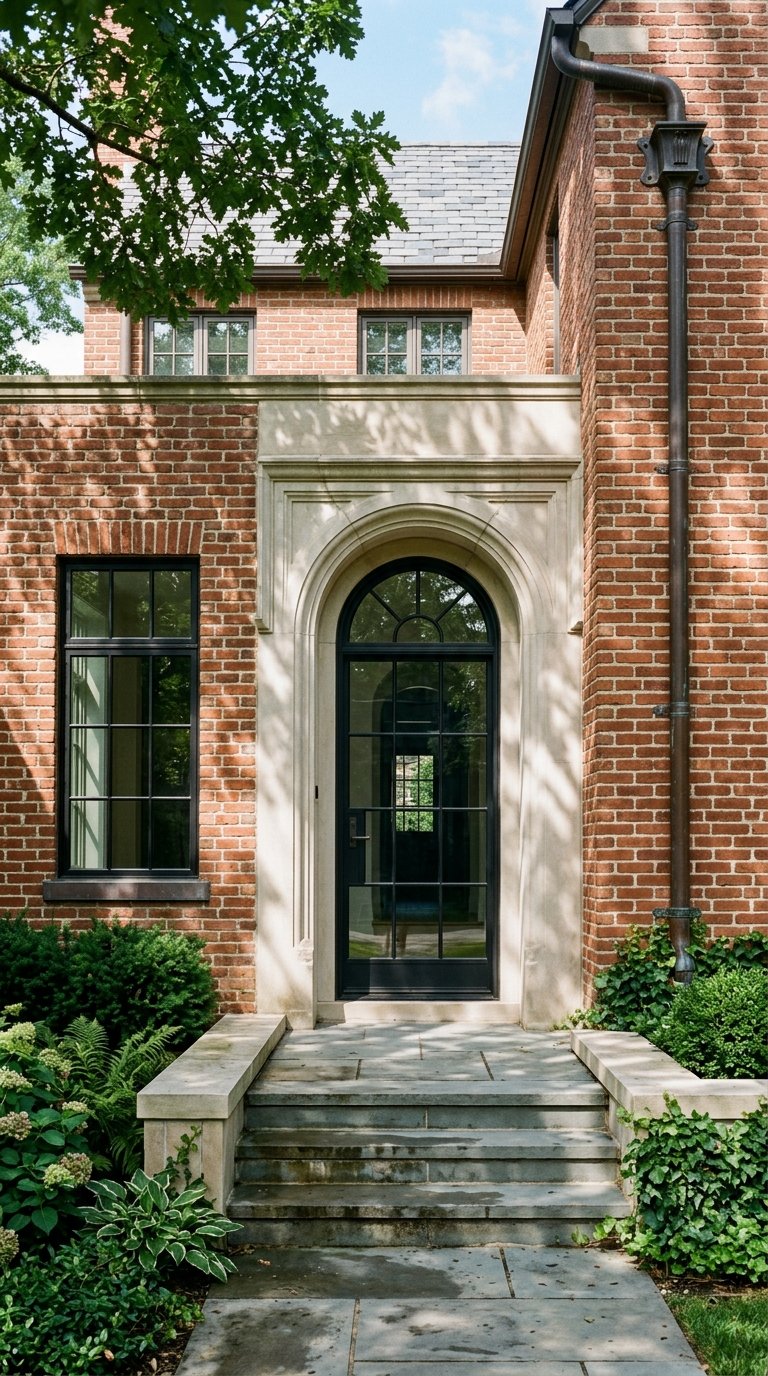
If you want a home that feels timeless without giving up everyday comfort, Wilmette stands out. This North Shore village has a way of blending architectural character, commuter convenience, and lakefront living that feels both refined and livable. Whether you are buying, selling, or planning updates, understanding how historic charm and modern living come together here can help you make smarter decisions. Let’s dive in.
Why Wilmette Feels So Distinctive
Wilmette’s character is not accidental. The village connects single-family homes, attractive commercial areas, brick-paved streets, tree-lined streets, period street lights, and close access to Lake Michigan in a way that creates a strong sense of place.
Its development history also shaped the look you see today. According to the Village of Wilmette, rail service and lakefront growth influenced how the community expanded, with larger residences moving eastward by the 1920s and more modest homes extending west toward Ridge Road. That layered pattern still helps define Wilmette’s visual appeal.
Preservation is part of the village identity as well. Wilmette lists 38 local landmarks, 3 National Register historic districts, and 9 individual National Register properties, which shows how seriously the village treats architectural legacy.
Historic Architecture Shapes the Market
For many buyers, Wilmette’s appeal starts with the homes themselves. The village includes a wide range of documented architectural styles, including Prairie-influenced design, Colonial Revival, Tudor Revival, Norman Revival, Spanish Revival, French Eclectic, Cape Cod, and later Modernist homes.
That variety gives you options without losing cohesion. Instead of one repeated housing type, Wilmette offers a streetscape where different styles sit side by side but still feel connected by mature landscaping, established blocks, and a strong North Shore design tradition.
For sellers, this architectural depth can be a major advantage. A home with preserved character and thoughtful updates often speaks to buyers who want something more distinctive than a purely new build.
Indian Hill Estates Shows the Blend
One of the clearest examples of historic charm meeting modern living is Indian Hill Estates. Begun in 1926, the neighborhood was planned with curving streets, 50-foot setbacks, mature oaks, ornamental street lamps, and underground utilities.
It also included features that were considered modern for the time, such as attached garages, slate roofs, hardwood floors, and tile bathrooms. That mix of classic design and practical convenience still feels relevant today.
For buyers, neighborhoods like this show why Wilmette continues to attract interest. You can find homes with strong architectural bones in settings that still support current lifestyle needs.
What Buyers Often Look For in Wilmette
Wilmette’s housing profile helps explain demand. The village reports 28,170 residents, a median household income of $190,662, an owner-occupied housing rate of 87.9%, and a median owner-occupied home value of $810,600.
Those numbers point to a market where buyers are often looking for long-term fit. In practical terms, that usually means balancing character, space, access to transportation, and proximity to parks, shops, and the lakefront.
If you are searching here, it helps to look past surface finishes. The right home may be one that keeps its historic exterior presence while offering room to refine kitchens, baths, systems, or layout over time.
Updating a Historic Home Thoughtfully
Wilmette can be especially appealing if you love older homes but want modern function. The key is understanding that not every renovation follows the same path, especially when a property has landmark or historic district status.
For designated properties, the village uses a Certificate of Appropriateness process. Full Historic Preservation Commission review is required for additions, demolitions, new construction on vacant or subdivision lots within a historic district, and all alterations to a local landmark.
Some less visible or more reversible work may be handled through staff or subcommittee review. The village handbook also specifically calls out restoration of details, windows, and porches as part of the review framework.
What the Review Process Focuses On
Wilmette’s standards aim to preserve original qualities and avoid unnecessary removal of historic materials. They also focus on treating distinctive features carefully and maintaining visual compatibility in height and front-facade proportion.
If you plan significant work, you may need photos, scaled drawings, and a written statement showing how the project aligns with the applicable standards. That means early planning matters.
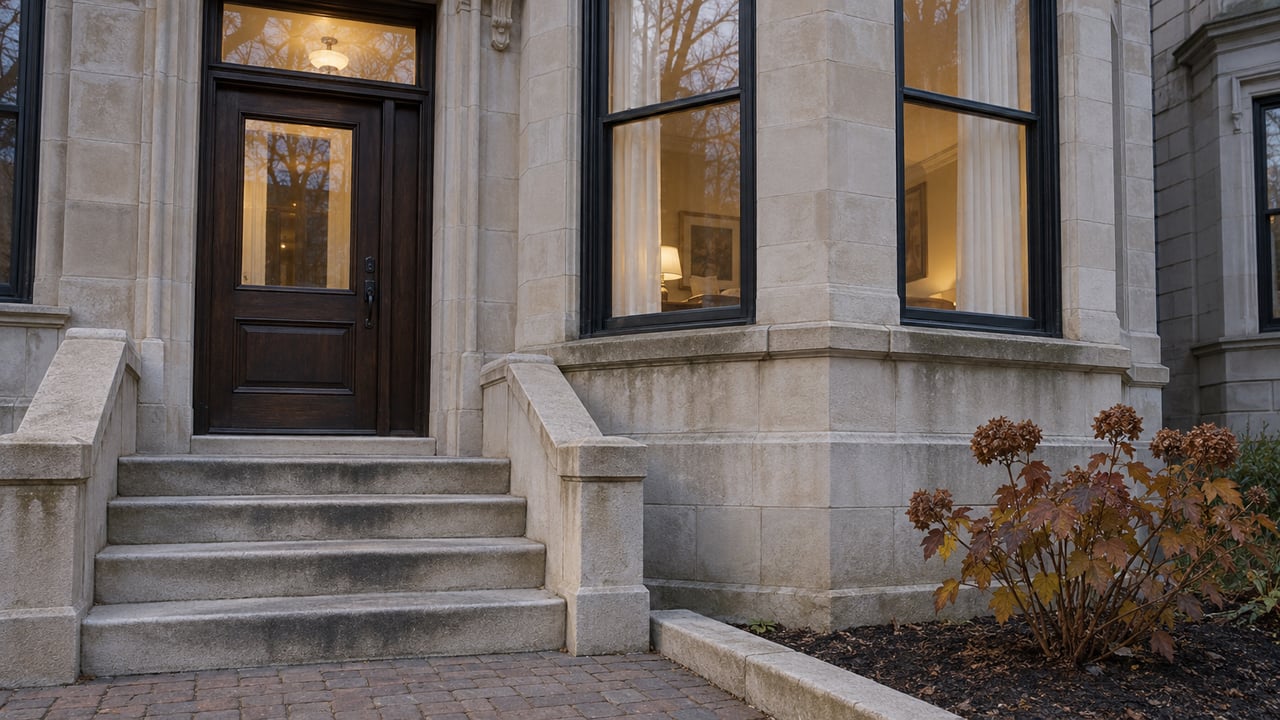
In many cases, the most successful updates are the ones that improve daily living while respecting what makes the home special from the street. Keeping windows, masonry, porches, and rooflines visually consistent can help preserve both character and long-term appeal.
Modern Living Still Feels Easy Here
Historic charm only goes so far if daily life feels difficult. In Wilmette, one of the biggest strengths is that beautiful homes are paired with practical convenience.
The Village Center Master Plan describes downtown as a vibrant hub for retail, dining, and entertainment while maintaining Wilmette’s historic small-town character. The same plan notes that the district sits within short walking distance of the lakefront and park system.
The village also has seven commercial districts, including downtown, Linden Square, Plaza del Lago, and Ridge Road. Downtown Wilmette offers free on-street parking, which adds another layer of convenience for errands and everyday use.
Transit and Access Support Daily Routine
For many households, commuting still matters. Wilmette offers strong transit access, with the Metra Union Pacific North Line stopping downtown and the CTA Purple Line ending at Linden Avenue.
Pace also serves four local routes, and the village profile notes access to the Edens Expressway. Wilmette is about 16 miles from downtown Chicago, which supports both local mobility and city access.
That combination is part of the village’s appeal. You can enjoy a residential setting with architectural depth while staying connected to the broader Chicago area.
The Lakefront Is Part of Everyday Life
In Wilmette, the lakefront is more than a backdrop. The village reports 20 parks totaling 188.3 acres, including 63 acres of lakefront parks.
Gillson Park is the centerpiece for many residents. It includes two swimming beaches, picnic areas, lighted tennis courts, a dog beach, kayak, stand-up paddleboard, and sailboat access, Wallace Bowl, and a seasonal ice rink.
That kind of access shapes how people live here. When buyers talk about lifestyle in Wilmette, the lakefront and park system are often part of the conversation right alongside architecture and location.
What This Means for Sellers
If you are preparing to sell in Wilmette, presentation matters, but so does restraint. Buyers drawn to this market often respond to homes that feel polished and current without losing their original identity.
That is where design insight can make a real difference. Updates that clarify layout, refresh finishes, and highlight architectural details tend to support the story buyers already want to believe about a Wilmette home.
A thoughtful strategy may include selective pre-sale improvements, staging, and a marketing approach that speaks to both character and livability. In a village known for timeless architecture, the goal is often to show how a home lives beautifully now while honoring what made it worth preserving in the first place.
Why Wilmette Continues to Stand Out
Wilmette offers something rare. It combines historic architecture, established neighborhood patterns, active commercial districts, strong transit access, and a meaningful lakefront lifestyle in one village setting.
For buyers, that can mean finding a home with lasting character and real daily convenience. For sellers, it creates an opportunity to position a well-prepared property around the qualities that continue to drive demand.
If you are thinking about buying or selling in Wilmette, a design-aware strategy can help you see not just what a home is, but what it can become. To start that conversation, connect with The Kasey Group.
FAQs
What architectural styles are common in Wilmette homes?
- Wilmette’s documented residential styles include Prairie-influenced design, Colonial Revival, Tudor Revival, Norman Revival, Spanish Revival, French Eclectic, Cape Cod, and later Modernist homes.
What does historic designation mean for Wilmette renovations?
- For designated properties, renovations may require a Certificate of Appropriateness, and local landmarks go through review by the Historic Preservation Commission for qualifying changes.
What makes Wilmette appealing for modern daily living?
- Wilmette combines historic homes with practical amenities like downtown shopping and dining, Metra and CTA access, free on-street parking downtown, and close connection to the lakefront and parks.
What is special about the Wilmette lakefront?
- The village includes 63 acres of lakefront parks, and Gillson Park offers beaches, picnic areas, tennis courts, a dog beach, paddle and sail access, Wallace Bowl, and a seasonal ice rink.
Why do buyers look closely at updated historic homes in Wilmette?
- Many buyers want the architectural character of an older home along with updated kitchens, baths, systems, and layouts that support current living needs.