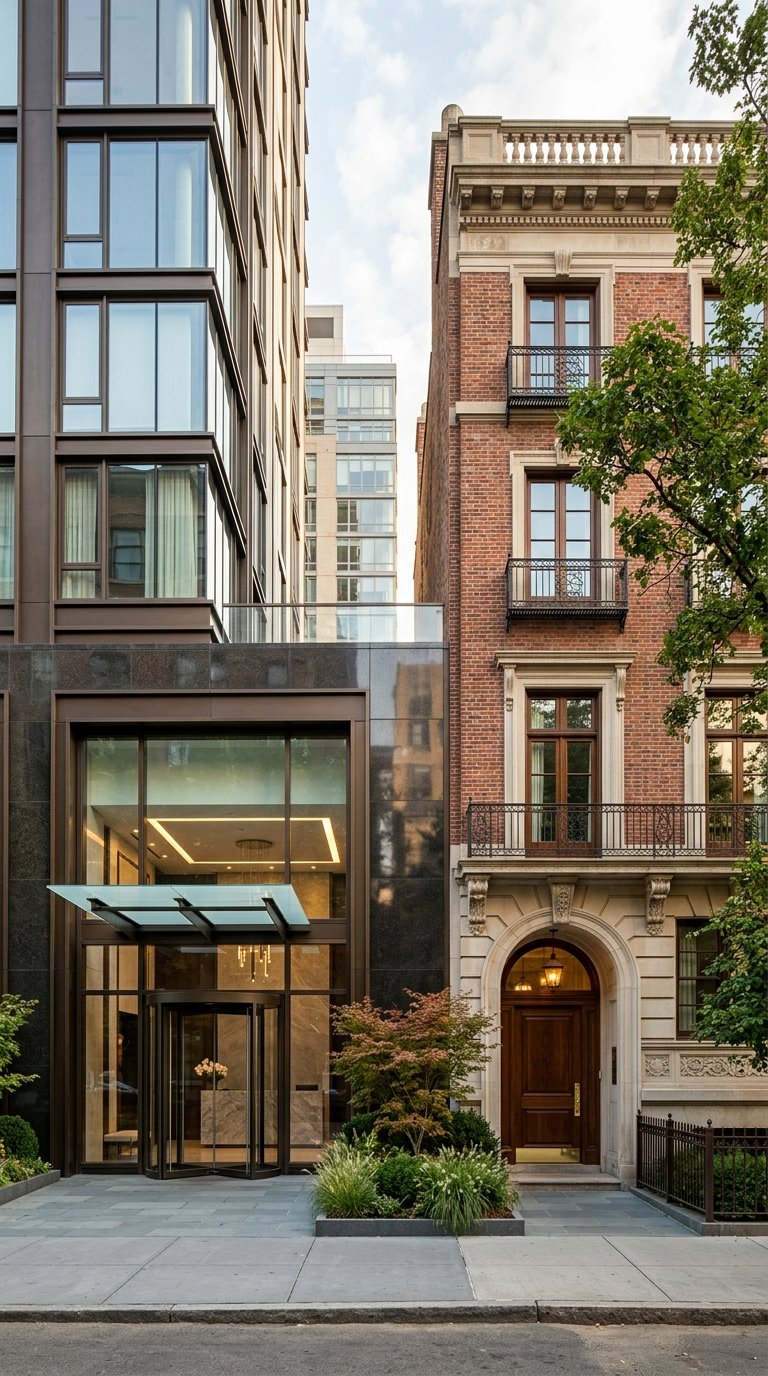
Choosing between a Gold Coast high-rise and a boutique building is not just about square footage or a view. In this part of Chicago, the building you buy into can shape your routine, your privacy, your monthly costs, and even how you feel when you come home. If you are weighing both options, this guide will help you compare lifestyle, amenities, ownership details, and due diligence points so you can make a more confident decision. Let’s dive in.
Why Building Type Matters in Gold Coast
Gold Coast offers a rare mix of historic character and luxury residential living. Chicago sources describe the neighborhood as a lakefront area known for historic mansions, designer boutiques, celebrated restaurants, historic hotels, and access to Lake Michigan, the Lakefront Trail, Oak Street Beach, the Magnificent Mile, Rush Street, and the Astor Street District.
That setting helps explain why buyers often see very different living experiences within the same neighborhood search. Gold Coast developed as a wealthy lakefront district, and after the Michigan Avenue Bridge opened in 1920, luxury apartment buildings grew alongside mansions. Today, that history shows up in the form of both amenity-rich towers and more intimate boutique buildings.
What Defines a Gold Coast High-Rise
In Gold Coast, a high-rise often means a larger building with more shared services and a broader amenity package. The appeal is usually convenience, staffing, and a more managed day-to-day experience.
A clear example is 1000 Lake Shore Plaza. The building is described as a 55-story luxury condominium with about 390 residences, only two to four residences per floor, and features that include a 24-hour doorman and security, indoor pool, fitness center, valet parking, rooftop sundeck, package receiving, and on-site professional management.
Another example is No. 9 Walton, a 35-story development with 67 ultra-luxury condominiums. It includes features such as private terraces, full-floor layouts, duplexes, penthouses, an indoor pool and spa, fitness and workout studios, a dog run, and private dining and entertaining space.
The key takeaway is simple: tower living does not always mean crowded living. Some Gold Coast towers pair height with relatively low unit counts or fewer residences per floor, so you may still find privacy and scale within a full-service building.
What Defines a Boutique Building
Boutique buildings are typically known for fewer neighbors, more individualized floor plans, and a quieter residential feel. In Gold Coast, that can mean either newer luxury buildings with low unit counts or vintage properties with distinctive architectural details.
One modern example is 4 East Elm. It is described as a 24-story condominium with only 35 units, two units per floor, private elevators, residences ranging from 3,100 to 3,500 square feet, plus a club lounge, screening room, conference room, fitness center, and outdoor swimming pool.
A vintage example is 1320 North State Parkway, which identifies itself as a boutique cooperative apartment building with 64 units. The building highlights large rooms, high ceilings, ample closets, vintage details, 24-hour doorman service, maintenance staff, an on-site manager, a fitness center, and an outdoor terrace with grills, dining, and lounging areas.
In practical terms, boutique living often feels more private and more personal. You may have fewer shared touchpoints, fewer residences per floor, and a layout that feels less standardized than what you might see in a larger tower.
High-Rise vs Boutique: Lifestyle Differences
Your best fit usually comes down to how you want your home to function every day. The right answer is less about labels and more about your routine, priorities, and tolerance for shared building costs.
Choose a High-Rise for Convenience
If you want a more hotel-like lifestyle, a high-rise may suit you better. Buildings with full staffing and broad amenities can make daily life easier, especially if you value package handling, valet or garage convenience, fitness access, and on-site support.
This option can be especially appealing if you travel often, keep a busy work schedule, or want a lock-and-leave setup. In that case, the service model may carry as much value as the residence itself.
Choose a Boutique Building for Privacy
If you care most about fewer neighbors and a quieter atmosphere, a boutique building may be the stronger fit. Private elevators, low unit counts, and more individualized floor plans can create a more residential feel.
This can also appeal to buyers who value architecture, vintage detail, or a more distinct sense of place. In Gold Coast, many boutique buildings offer character that feels hard to replicate in a larger format.
Do Not Judge Privacy by Height Alone
One of the biggest mistakes buyers make is assuming that boutique always means more private and high-rise always means less private. In Gold Coast, the reality is more nuanced.
For example, 1000 Lake Shore Plaza has only two to four residences per floor, while 4 East Elm offers two units per floor with private elevators. The real privacy question is how the building is designed, not just how tall it is.
Monthly Assessments Deserve a Close Look
In Gold Coast, monthly assessments can tell you a lot about how a building operates. They also help explain the true cost of ownership beyond the purchase price.
At 1000 Lake Shore Plaza, monthly assessments reportedly include heat, air conditioning, water, gas, TV and cable, internet, common insurance, exterior maintenance, snow removal, and pool access. That kind of bundled structure can simplify your monthly budgeting, but it also reflects the cost of maintaining extensive shared services and systems.
This is where buyers should slow down and compare value, not just totals. A higher assessment may be reasonable if it covers major utilities, staffing, amenities, and strong building operations. A lower assessment may look attractive at first, but it still needs to be considered alongside reserves, maintenance needs, and future capital work.
Illinois Condo Due Diligence Matters
In Illinois, condo due diligence is a critical part of the buying process. The Illinois Condominium Property Act requires annual budgets to provide for reasonable reserves for capital expenditures and deferred maintenance related to common elements.
When setting reserves, boards are directed to consider repair and replacement cost, useful life, reserve studies, the financial impact on owners, and the association’s ability to obtain financing. For buyers, that means the health of the building is not just about finishes or amenities. It is also about long-term planning and financial discipline.
For resale purchases, the Act requires disclosure of key documents and information, including the declaration, bylaws, rules and regulations, unpaid assessments and other liens, anticipated capital expenditures for the current and next two fiscal years, reserve fund status, the latest financial statement, pending suits or judgments, insurance coverage, and whether prior alterations appear to comply with governing documents.
The Illinois unit-owner handbook adds another important point. Owners generally may not withhold assessments even if repairs are delayed, and certain emergency or legally mandated special assessments can be adopted without owner approval.
Questions to Ask Before You Buy
Whether you prefer a tower or a boutique building, your due diligence should go beyond finishes and amenities. A well-chosen building supports your lifestyle and protects your investment over time.
Here are smart questions to ask as you compare options:
- What do the monthly assessments include?
- How strong is the reserve fund?
- Are there anticipated capital expenditures in the current or next two fiscal years?
- Are there pending suits, judgments, or major insurance issues?
- How many residences are there per floor?
- What staff and management services are on site?
- Is the property a condominium or a cooperative?
- Are any special assessments planned or under discussion?
- Do past unit alterations appear to comply with the governing documents?
Condos and Co-Ops Are Not the Same
In Gold Coast, some intimate buildings are cooperatives rather than condominiums. That difference matters and should be confirmed early in your search.
For example, 1320 North State Parkway identifies itself as a cooperative apartment building. If you are comparing a co-op to a condo, make sure you understand the ownership form, governing documents, and financial review requirements before moving too far forward.
How to Decide in Gold Coast
If your priority is convenience, staffing, and a full amenity package, a high-rise may be the right match. If your priority is privacy, fewer neighbors, and a more individualized layout, a boutique building may better fit your lifestyle.
In either case, the smartest approach is to evaluate the residence and the building together. In Gold Coast, design, building structure, services, and financial stewardship all shape the ownership experience.
A thoughtful buying strategy looks past the label on the listing. It focuses on how you want to live, what costs you are taking on, and whether the building is positioned to support your goals for years to come.
If you are refining your search in Gold Coast and want a calm, design-aware perspective on which buildings truly fit your lifestyle, The Kasey Group can help you compare options with clarity.
FAQs
What is the main difference between Gold Coast high-rises and boutique buildings?
- High-rises often offer more staffing, amenities, and a hotel-like routine, while boutique buildings usually offer fewer neighbors, more individualized layouts, and a quieter residential feel.
Are boutique buildings in Gold Coast always more private than high-rises?
- No. Some Gold Coast towers have only two to four residences per floor, while some boutique buildings offer private elevators or similarly low-density layouts. Privacy depends on the building design, not just height.
What should buyers review in an Illinois condo resale packet?
- Buyers should review documents and disclosures such as the declaration, bylaws, rules, unpaid assessments, anticipated capital expenditures, reserve fund status, financial statements, pending suits or judgments, insurance coverage, and alteration compliance information.
Why do monthly assessments matter when buying in Gold Coast?
- Monthly assessments help fund building operations and may include utilities, maintenance, staffing, amenities, and insurance-related costs. They also reflect the scale of shared services and systems in the building.
Are some Gold Coast boutique buildings co-ops instead of condos?
- Yes. Some smaller or vintage Gold Coast buildings are cooperatives, so buyers should confirm the ownership structure early and review the governing documents carefully.
How can buyers choose between a Gold Coast tower and boutique building?
- Start with your daily lifestyle priorities, then compare amenities, privacy, floor plans, ownership type, assessments, reserves, and planned capital projects before deciding.