Own, manage, or plan to buy a high‑rise in the West Loop? Chicago’s façade rules are strict, and missing a deadline can derail budgets, sales, and schedules. With a mix of new glass towers and historic brick lofts in Fulton Market, many buildings here cross the 80‑foot threshold and must follow the city’s Exterior Wall Program. In this guide, you’ll learn what applies to your building, how the inspection cycles work, who can perform them, and how to plan repairs without surprises. Let’s dive in.
What rules apply in West Loop
Chicago’s façade requirements apply to any building with exterior walls or parts of walls 80 feet or more above grade. The Chicago Department of Buildings (DOB) administers the Exterior Wall Program and sets filing rules, forms, and classifications. You can review the municipal code summaries and program framework in the city’s code excerpts and DOB resources found in these overviews from Tenants‑Rights and the Chicago Exterior Wall Program summary.
Does your building qualify
If any portion of your building meets 80 feet above grade, you are in scope. Appurtenances like balconies, parapets, fire escapes, chimneys, signs, and window‑washing systems are part of the required inspection. If you are unsure, confirm height and program status using guidance in the Exterior Wall Program summary and contact DOB for verification.
Inspection types and timelines
Chicago uses two main inspection tracks:
- Critical Examination. Close‑up, hands‑on inspections that often require swing stages or platforms. Intervals typically occur every 4, 8, or 12 years, depending on your building category and materials.
- Ongoing Inspection. A recurring written report in the intervening years, generally every 2 years. Some buildings may qualify for a recurring short‑form in lieu of a full critical exam.
Inspections must be prepared and sealed by an Illinois‑licensed architect or structural engineer. Modern tools like drones can help, but hands‑on access is still required for critical exams and representative probes where rules call for it. For a technical overview of hands‑on methods and drop planning, see Walker Consultants’ guide.
How buildings are classified
After inspection, your façade will be classified as one of the following:
- Safe. Continue regular inspections per schedule.
- Safe With a Repair and Maintenance Program (SWARMP). You need a repair plan with defined timelines and follow‑up.
- Unsafe or Imminently Hazardous. Immediate DOB notification, protective measures like canopies or barricades, and expedited repairs are required.
Reports include the licensed professional’s seal, photos, notes, and repair schedules. See definitions and required actions in the municipal code excerpts from Tenants‑Rights.
Penalties, sidewalk sheds, and permits
Noncompliance can lead to daily fines, enforcement orders, emergency stabilization, and public right‑of‑way closures. Erecting canopies, sidewalk sheds, or scaffolds usually requires DOB permits, insurance, and adherence to safety and inspection standards. Long‑term sheds may have separate public‑way requirements and fees. Get familiar with common permitting and protection requirements in this local overview on keeping the sky from falling.
West Loop materials and what to watch
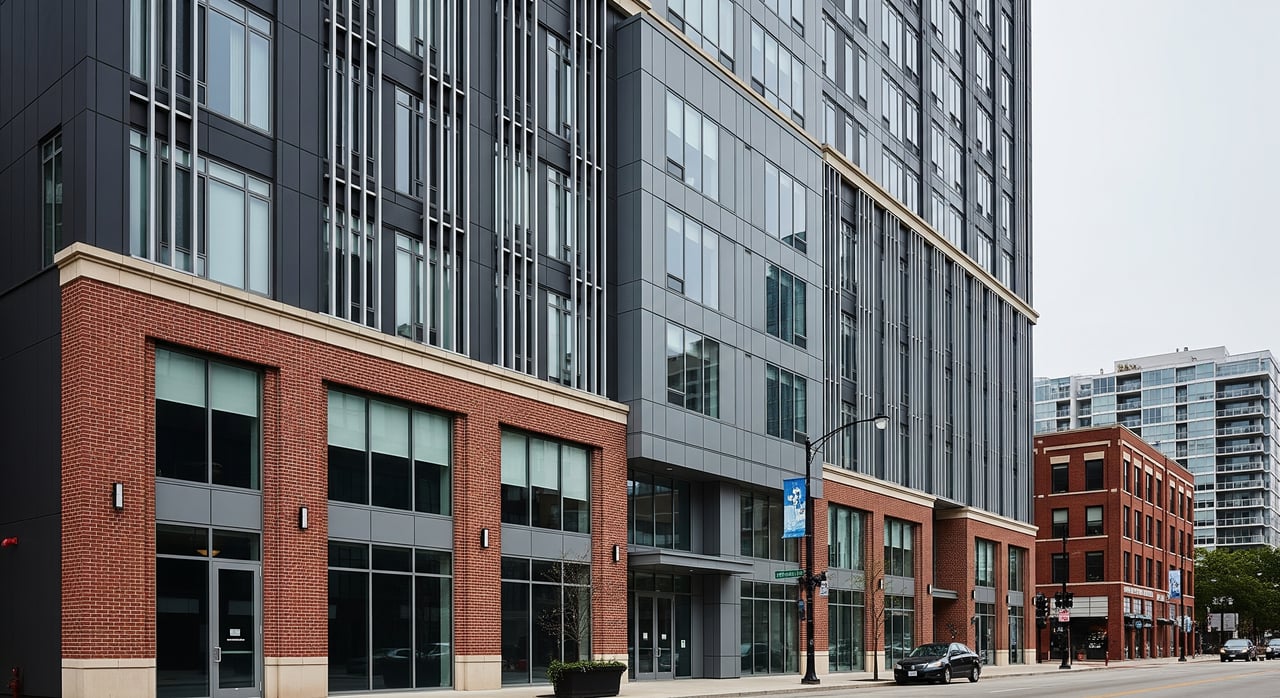
The West Loop features high‑design curtain‑wall towers and historic masonry conversions. New builds and mixed‑use projects often use glass curtain walls, large window walls, and metal panels that require attention to glazing seals, mullion anchorage, and movement joints. For neighborhood context, see this look at façade trends around Fulton Market from Chicago YIMBY.
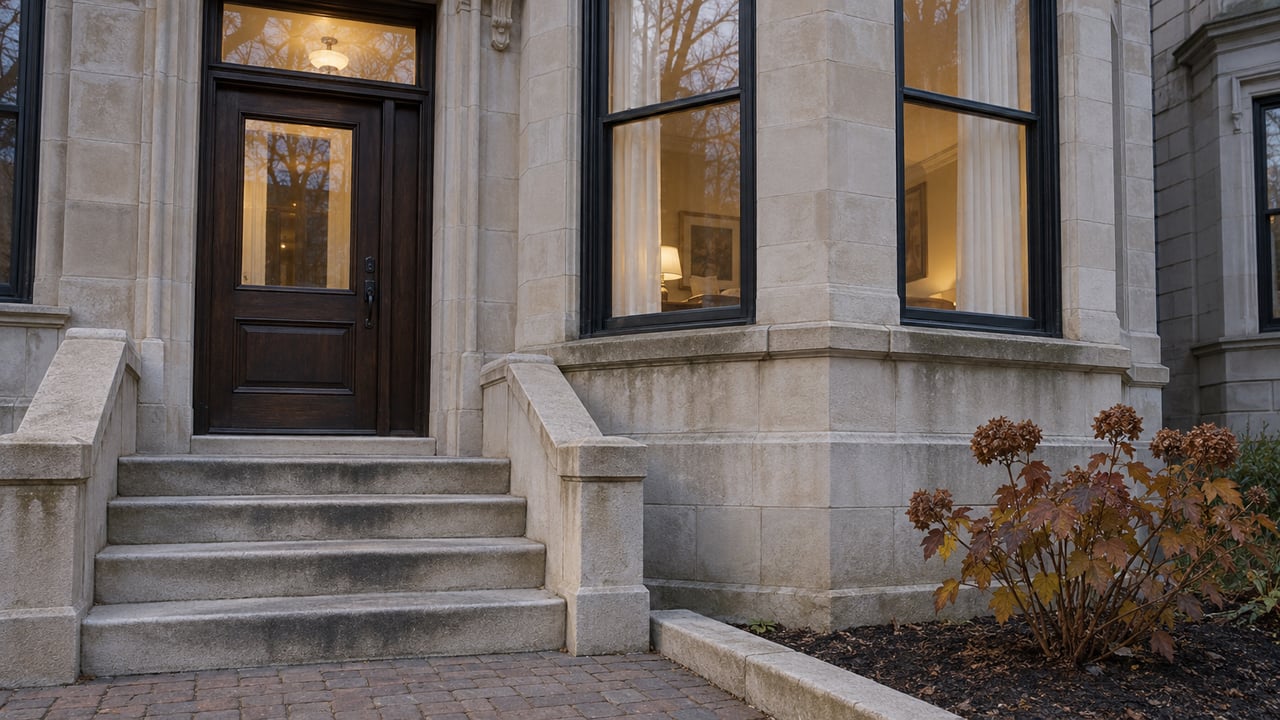
Older loft conversions and masonry façades can require more frequent hands‑on checks, especially at parapets, shelf angles, and areas with concealed metal ties. Freeze‑thaw cycles and corrosion are common drivers of deterioration. A practical overview of common masonry issues and maintenance expectations is outlined in CooperatorNews’ façade maintenance guide.
Landmark district steps
If your property sits within the Fulton‑Randolph Market Landmark District, visible exterior changes may require review and approval by the Commission on Chicago Landmarks. That step can extend design and permitting timelines and influence material choices. Confirm status early. For background on the district’s designation, see this overview.
Your West Loop compliance checklist
Use this step‑by‑step plan to stay organized and avoid costly delays.
Before your next inspection window
- Confirm if the building meets the 80‑foot threshold and falls under the Exterior Wall Program. If in doubt, contact DOB using guidance in the program summary.
- Review prior reports and classification to determine the next due date and whether you owe a Critical Examination or an Ongoing report.
- Build a realistic budget. Include professional fees, probes and testing, design, contractor bids, permits, scaffolding and sidewalk sheds, public‑way fees, and contingencies. Many projects expand once access is installed. See planning tips for major projects in this CooperatorNews guide.
Selecting licensed professionals
- Hire an Illinois‑licensed architect or structural engineer with direct Chicago Exterior Wall Program experience. Ask for examples of past DOB filings and references.
- If repairs are needed, solicit multiple bids, verify licensing and insurance, and confirm experience with long‑term sidewalk sheds and permitting.
During and after inspection
- If classified SWARMP, request a written repair plan with clear timelines. Track progress and begin permit applications early when required.
- If classified Unsafe or Imminently Hazardous, expect immediate protection measures and rapid repairs. The city can act and charge owners for emergency work if you do not respond.
Permit, scaffold, and public‑way coordination
- Obtain DOB permits before erecting scaffolds or canopies and plan for insurance and safety documentation.
- Coordinate with Streets and Sanitation if the shed encroaches into a travel lane. Plan for pedestrian reroutes and long‑term canopy fees. A local primer on sheds and permits is available here: keeping the sky from falling.
Budget and timeline expectations
Inspection costs vary with building size, façade complexity, and number of hands‑on drops. Critical Examinations with probes are more expensive than short‑form visual surveys. For context on inspection scope and cost drivers, review this overview from Restore Masonry.
Repair costs scale with scope. Localized masonry fixes may be modest, while re‑anchoring, parapet rebuilds, or curtain‑wall remediation can require multi‑month access, long‑term sheds, and sizable budgets. Many owners plan repairs as multi‑year capital projects. Preplanning insights are covered in CooperatorNews’ project guide.
For buyers and sellers in the West Loop
If you are buying, request the last two façade reports, the current classification, any open SWARMP repairs, and a schedule for upcoming filings. Ask whether permits, sheds, or major repairs are planned that could affect ownership costs or access.
If you are selling or serving on a board, gather recent reports, repair records, and permits so buyers can underwrite risk with confidence. Align repair timing with your sale plan where possible. A clear compliance story protects value and shortens negotiation.
Ready to position your West Loop condo or high‑rise residence for success? Connect with The Kasey Group for calm, design‑led guidance that aligns preparation, disclosure, and presentation to support a premium outcome.
FAQs
What counts as a high‑rise under Chicago’s façade rules in the West Loop?
- Any building with exterior walls or any part of a wall 80 feet or more above grade is in scope under the Exterior Wall Program.
Who can perform and sign the required façade reports in Chicago?
- An Illinois‑licensed architect or structural engineer must prepare and seal the report, and they file it with the Department of Buildings.
How often are façade inspections due for West Loop high‑rises?
- Critical Examinations typically occur every 4, 8, or 12 years by building category, with Ongoing reports usually due every 2 years in between.
What happens if you miss a required façade filing in Chicago?
- The city can issue daily fines, require emergency protection, close portions of the public way, and recover costs for emergency actions.
Do landmark rules affect façade work in Fulton Market?
- Yes, visible changes in the Fulton‑Randolph Market Landmark District may need Commission on Chicago Landmarks review, which can extend design and permit timelines.