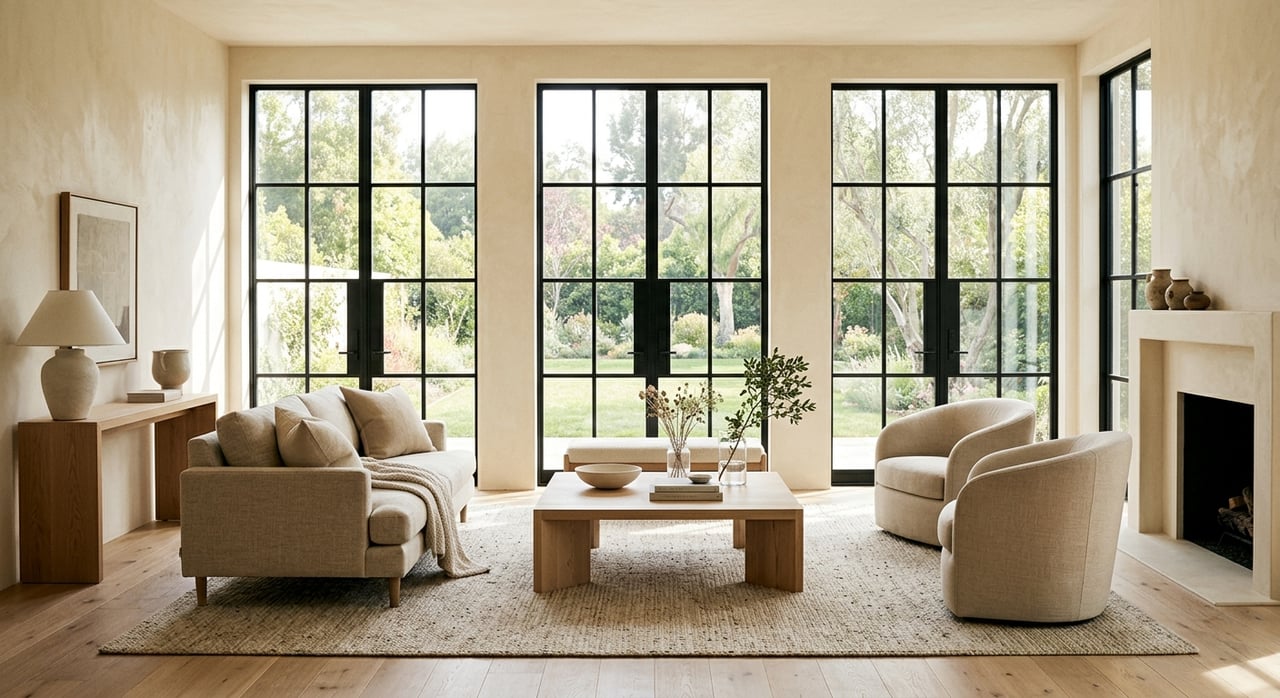
Selling in Lincoln Park is rarely just about listing a home. In a neighborhood where many properties receive multiple offers and 61.8% of homes sell above list price, presentation can shape how buyers respond the moment they walk in. If you want your home to feel memorable, polished, and true to its architecture, a design-led staging plan can help you stand out. Let’s dive in.
Why staging matters in Lincoln Park
Lincoln Park remains a premium, fast-moving market. Redfin’s May 2026 snapshot shows a median sale price of $849,714, about $500 per square foot, and a median of 33 days on market. It also classifies the neighborhood as very competitive, with hot homes going pending in around 20 days.
In a market like this, buyers move quickly, but they still notice quality. Strong staging helps your home read as well cared for, well proportioned, and ready for the next owner. That matters when buyers are comparing several polished homes in the same price tier.
The value of staging is not just visual. The 2025 National Association of Realtors Profile of Home Staging found that 29% of agents saw a 1% to 10% increase in the dollar value offered when staging was used, and 49% of sellers’ agents said staging reduced time on market.
Start with Lincoln Park’s architecture
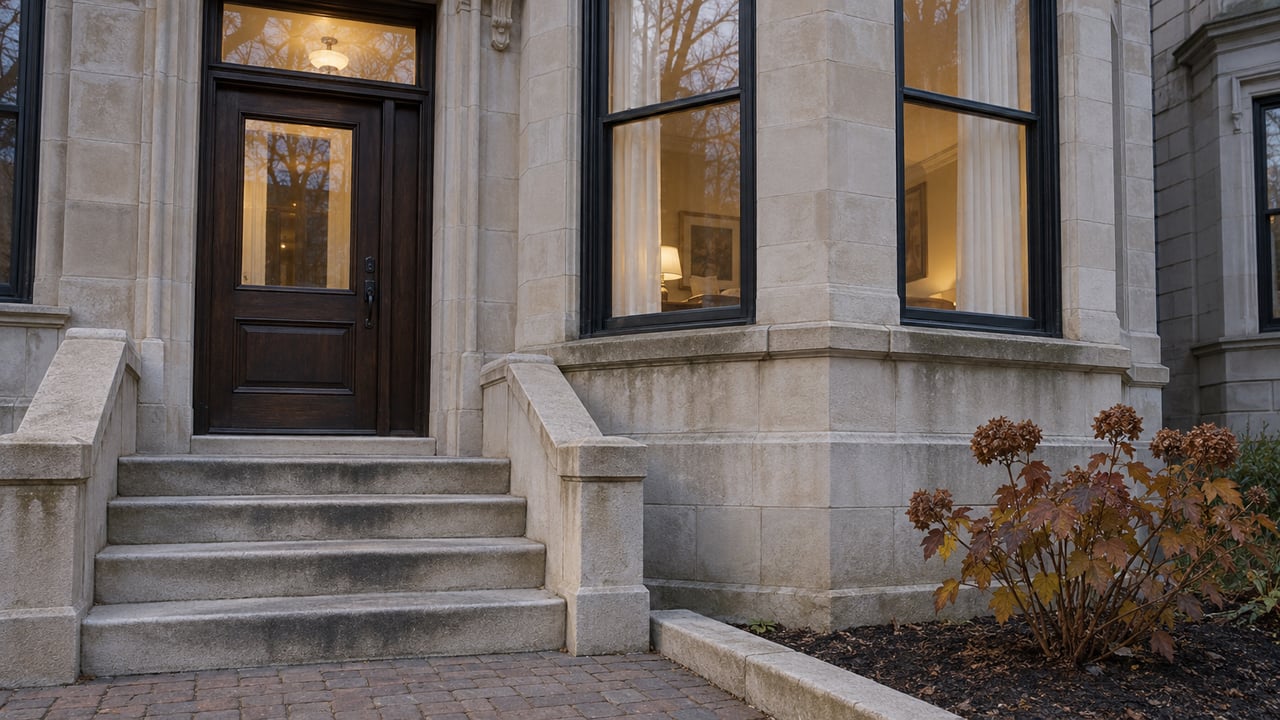
One of the biggest staging mistakes in Lincoln Park is trying to make a distinctive home feel too generic. The neighborhood includes landmark row houses and multi-flat buildings with strong architectural identity, including Italianate, Second Empire, and Queen Anne influences noted by the City of Chicago.
That means your goal is not to hide character. Your goal is to simplify the presentation so buyers can clearly see the best parts of the home. Original millwork, masonry, fireplace surrounds, tall windows, and strong room proportions should lead the story.
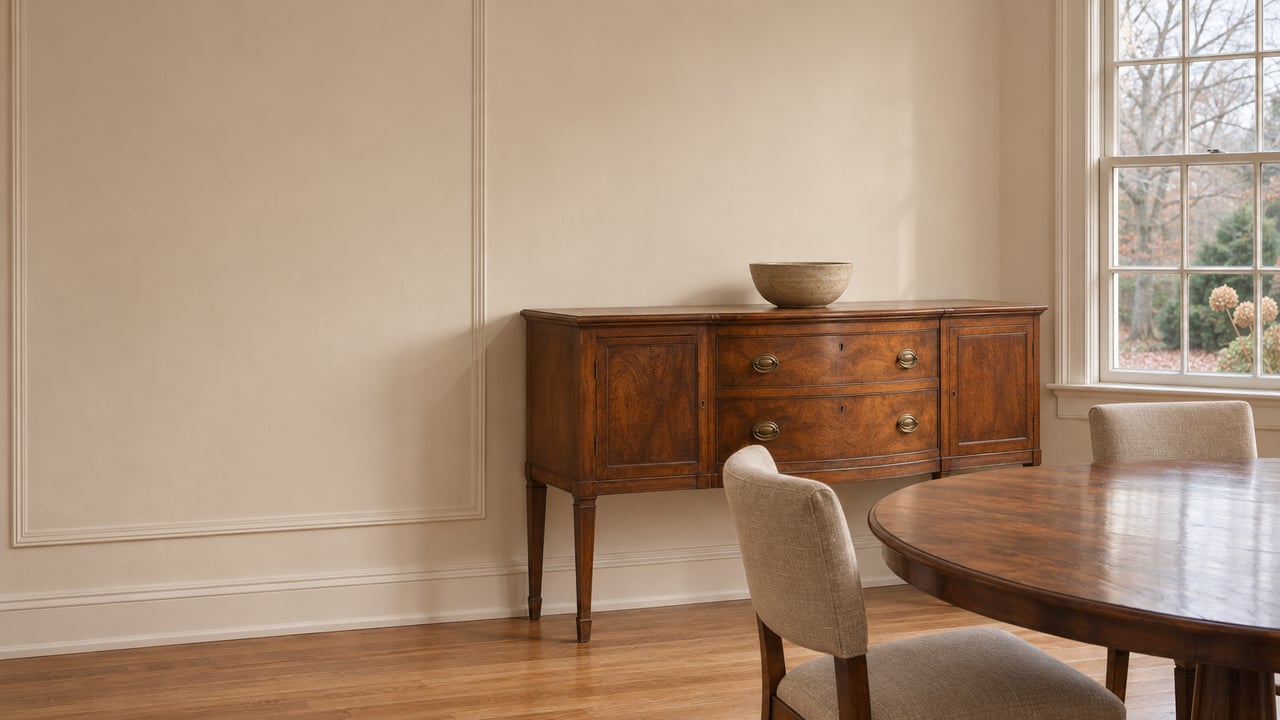
Design-led staging works best when it supports the architecture instead of competing with it. In many Lincoln Park homes, that means fewer pieces, better scale, and a warmer, more layered approach to neutral styling.
Focus on the rooms buyers notice first
Not every room carries the same weight. According to NAR’s 2025 staging data, buyers’ agents most often identified the living room as the most important space to stage, followed by the primary bedroom and kitchen.
For Lincoln Park sellers, that priority often extends into a natural showing sequence:
- Entry
- Living room
- Primary bedroom
- Kitchen
- Outdoor space or terrace
If you are deciding where to spend time and money, start there. These spaces tend to shape a buyer’s first impression and overall sense of value.
Entry: set the tone fast
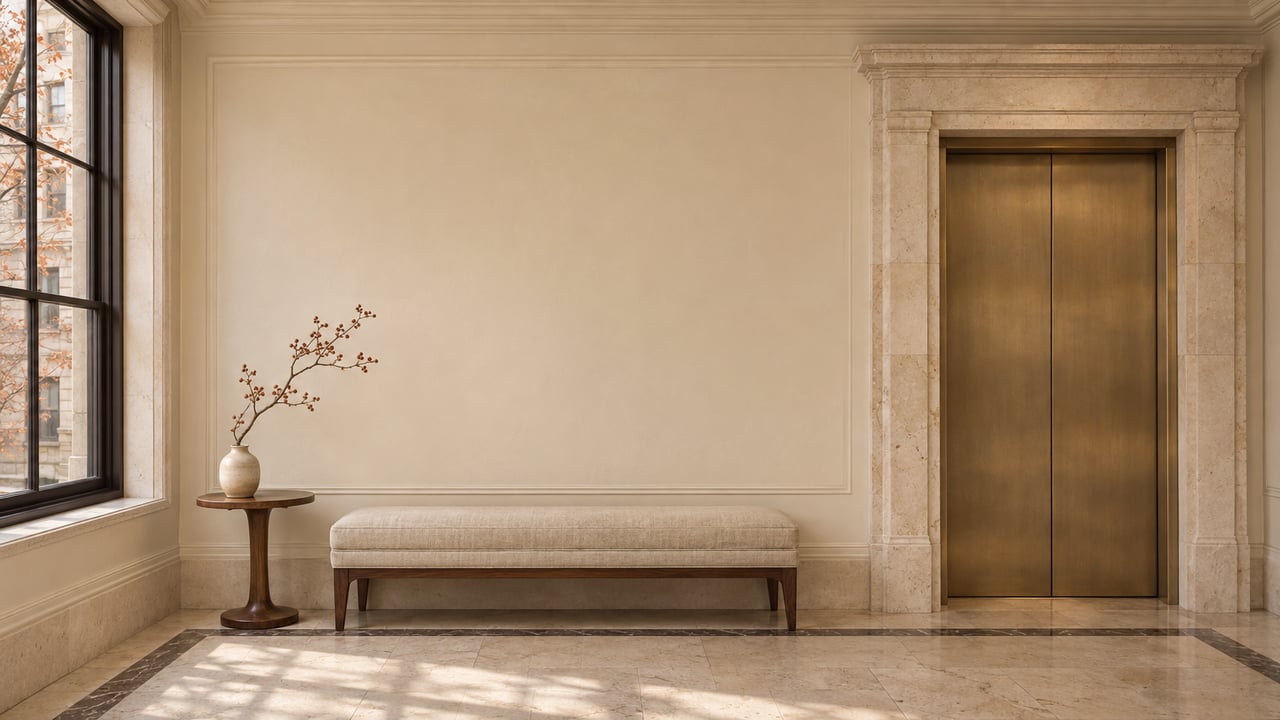
Your entry should feel calm, open, and intentional. Even a small foyer or stair landing can create a strong first impression when it is free of clutter and styled with restraint.
A simple console, one piece of art, and clear walking space often do more than heavy furniture or too many accessories. Buyers should immediately feel the home’s scale and flow.
Living room: show how the home lives
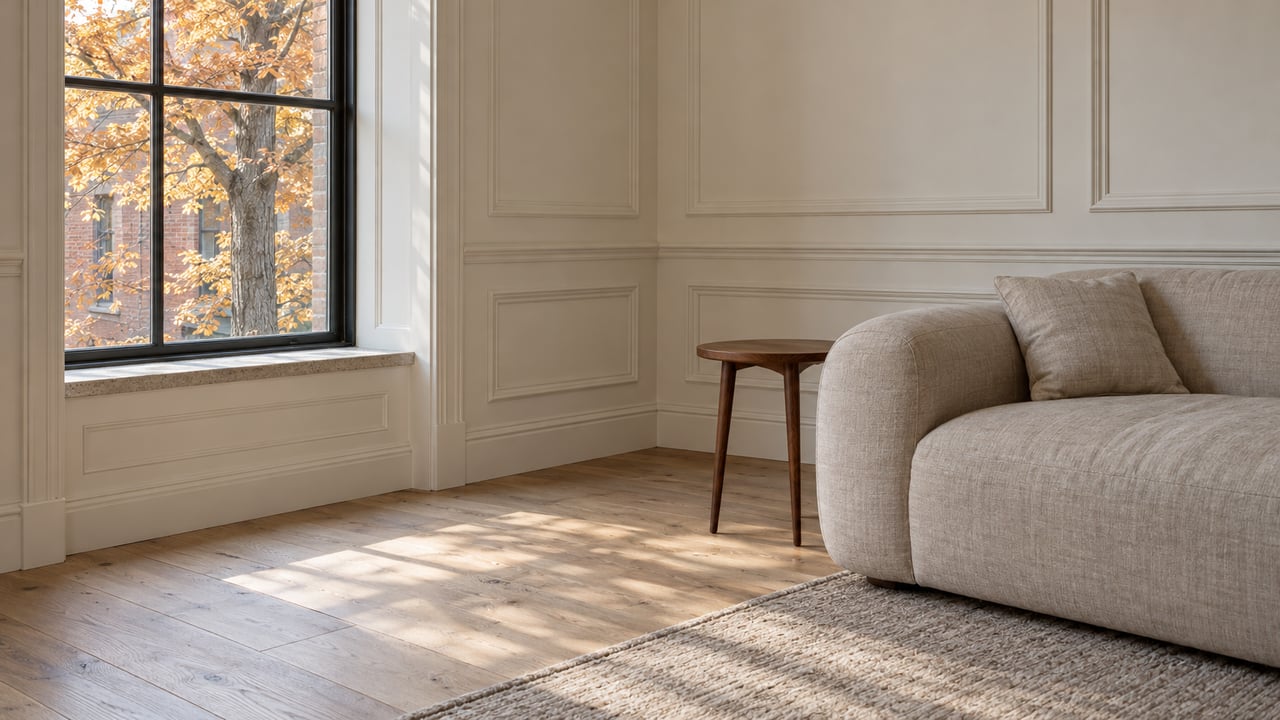
The living room often does the heaviest lifting during a showing. Buyers want to understand how the room functions, how furniture fits, and whether the space feels inviting without feeling crowded.
In Lincoln Park, this is especially important in row homes and older floor plans where proportions can vary. Pull furniture away from walls when appropriate, remove extra pieces, and make sure the seating plan feels easy and balanced.
Primary bedroom: create a sense of retreat
The primary bedroom should feel restful and spacious. That usually means pared-back nightstands, crisp bedding, soft texture, and enough open floor area to show comfortable circulation.
If the room is smaller, scale matters even more. Oversized furniture can make a bedroom feel tight, while lighter, cleaner pieces can help the room feel more usable.
Kitchen: highlight function and finish
Buyers tend to scrutinize kitchens closely. Clear counters, clean surfaces, and edited styling help them focus on cabinet lines, natural light, prep space, and material quality.
You do not need to over-decorate. A kitchen usually shows best with minimal countertop items, fresh paint if needed, and lighting that makes the space feel bright and current.
Outdoor space: don’t leave value unstaged
In Lincoln Park, a terrace, deck, patio, or small yard can carry real appeal. Functional outdoor rooms are also in line with current design trends highlighted in NAR’s 2024 coverage.
Even compact exterior spaces benefit from light staging. A small seating arrangement, clean surfaces, and a clear sense of purpose can help buyers picture how they would use the area.
Use a lighter, warmer staging style
Current design direction favors spaces that feel textured and thoughtful rather than flat and generic. NAR’s 2024 trend coverage points to flexible living spaces, dramatic color accents, mixed metals, unexpected art, and functional outdoor rooms.
For Lincoln Park, that does not mean bold styling in every room. It usually means a cleaner, warmer, more layered version of neutral staging that feels tailored to the home.
A few effective choices include:
- Linen or textured upholstery in soft neutrals
- Sculptural lighting or accessories used sparingly
- Natural wood or matte finishes
- One or two grounded accent tones
- Art that adds scale without overpowering the room
The result should feel elevated but easy. Buyers should notice the home first, not the staging itself.
Edit before you add anything
The most valuable staging move is often subtraction. NAR’s seller guidance consistently supports a lean prep plan built around decluttering, deep cleaning, depersonalizing, repainting, improving curb appeal, removing dated window treatments, and arranging furniture so rooms feel larger.
That advice fits Lincoln Park particularly well. Homes with architectural detail and urban layouts tend to show better when the visual field is simplified.
Before bringing in new pieces, focus on these basics:
- Remove excess furniture
- Clear shelves and counters
- Pack personal photos and highly specific decor
- Deep-clean every room
- Repaint walls where needed
- Open up windows and improve light flow
This kind of editing helps buyers read the space clearly, which is one of the main goals of effective staging.
Choose staging with return in mind
A design-led plan does not have to mean a massive pre-listing overhaul. In fact, the median spend when using a staging service was $1,500 in NAR’s 2025 report, which supports a focused approach.
In most Lincoln Park homes, the smartest investment is targeted cosmetic work paired with strong styling and photography. Fresh paint, flooring touch-ups, decluttering, lighting updates, and selective staging often do more for presentation than a larger remodel completed under pressure.
When sellers’ agents selected staging services, NAR found that quality of design and price were the top decision factors. That is a helpful reminder that the cheapest option is not always the one that creates the strongest market response.
Use Compass Concierge strategically
If you are deciding how much work to do before listing, Compass Concierge can create flexibility. Compass states that Concierge fronts the cost of eligible home-improvement services with zero due until closing, and covered services can include staging, painting, flooring, decluttering, landscaping, cosmetic renovations, moving and storage, and kitchen or bathroom improvements.
For many Lincoln Park sellers, this supports a more thoughtful preparation plan. Instead of choosing between doing nothing and taking on a full renovation, you can focus on the updates most likely to improve presentation and buyer response.
That can be especially helpful when your home would benefit from a coordinated pre-listing package, including styling, touch-ups, and photography-ready finishing work.
Be careful with exterior changes
Lincoln Park’s architectural character is part of its appeal, but it can also affect what work should happen before listing. If your property is in a designated or proposed landmark district, the City of Chicago notes that permit applications may be reviewed to ensure work does not adversely affect significant historic or architectural features.
The city specifically flags work involving siding, masonry, roofing, windows, doors, lighting fixtures, additions, dormers, and rooftop additions, with some projects requiring pre-permit review. That is why interior-first improvements are often the safest path when you want strong visual impact without unnecessary delay.
Paint, flooring touch-ups, lighting, decluttering, styling, and photography usually offer a cleaner route to market readiness. If you are considering exterior or structural work, it is wise to confirm local requirements before work begins.
A practical staging plan for sellers
If you want a simple roadmap, start here:
- Walk the home like a buyer and note what feels crowded, dated, or unclear.
- Prioritize the key rooms: entry, living room, primary bedroom, kitchen, and outdoor space.
- Edit aggressively so architectural features and room scale stand out.
- Refresh surfaces with paint, cleaning, flooring touch-ups, and lighting where needed.
- Stage with restraint using warm neutrals, texture, and well-scaled furnishings.
- Review any exterior work carefully if the property may fall within a landmark context.
- Prepare for photography so the online first impression matches the in-person showing.
This process keeps your efforts aligned with what buyers are most likely to notice and remember.
The design goal is clarity
The best staging in Lincoln Park does not feel forced. It makes the home easier to understand, easier to appreciate, and easier to imagine living in.
That is especially important in a neighborhood where architecture carries weight and buyers often have a sharp eye for design. When the presentation feels clean, layered, and true to the home, you give buyers a stronger reason to act with confidence.
If you are preparing to sell in Lincoln Park and want a design-led strategy tailored to your home, The Kasey Group can help you refine the right staging, preparation, and marketing plan before you go to market.
FAQs
What rooms matter most when staging a Lincoln Park home for sale?
- Based on NAR’s 2025 staging data, the living room is the top priority, followed by the primary bedroom and kitchen. In Lincoln Park, sellers should also pay close attention to the entry and any outdoor space.
How much can home staging affect a Lincoln Park sale?
- NAR reported that 29% of agents saw a 1% to 10% increase in the dollar value offered when staging was used, and 49% of sellers’ agents said staging reduced time on market.
What staging style works best for Lincoln Park homes?
- A cleaner, warmer, layered neutral look usually works well. The goal is to support the home’s architecture, highlight original details, and avoid overly generic or overly busy styling.
Should Lincoln Park sellers renovate before listing?
- In many cases, targeted cosmetic updates such as paint, flooring touch-ups, decluttering, lighting, and staging offer a more practical return than a larger remodel. The right scope depends on the home’s condition, layout, and presentation needs.
Can Compass Concierge help cover pre-listing staging costs?
- Compass states that Concierge can front the cost of eligible services such as staging, painting, flooring, decluttering, landscaping, cosmetic renovations, moving and storage, and kitchen or bathroom improvements, with payment due under program terms.
Do landmark rules affect pre-sale work in Lincoln Park?
- They can. If your property is in a designated or proposed landmark district, certain exterior or architectural changes may require review before permits are issued, so it is important to confirm requirements before starting that work.