Wondering whether a Lincoln Park condo or a house suits your next chapter? You are not alone. The neighborhood offers everything from skyline-view condos to historic greystones, which makes the choice exciting and complex. In this guide, you will compare lifestyle, costs, financing, and resale so you can move forward with clarity. Let’s dive in.
Lincoln Park at a glance
Lincoln Park blends tree‑lined streets, iconic parks, dining, and quick transit into a refined urban lifestyle. The neighborhood’s mix of high‑rise condos, townhomes, and single‑family homes creates real choice. Signature amenities, including the free and family‑friendly Lincoln Park Zoo, are part of the daily rhythm here.
On pricing, neighborhood medians shift month to month, so anchor your expectations to a current source. Redfin’s Lincoln Park snapshot shows a Jan 2026 median sale price around $750,000 across all home types. A different dataset and time frame in the Realtor.com neighborhood overview reports a median near $849,000 and a short median days on market around 28. The key takeaway is that Lincoln Park commands a premium, and the best guidance comes from building‑ or block‑level comparables when you are ready to write an offer.
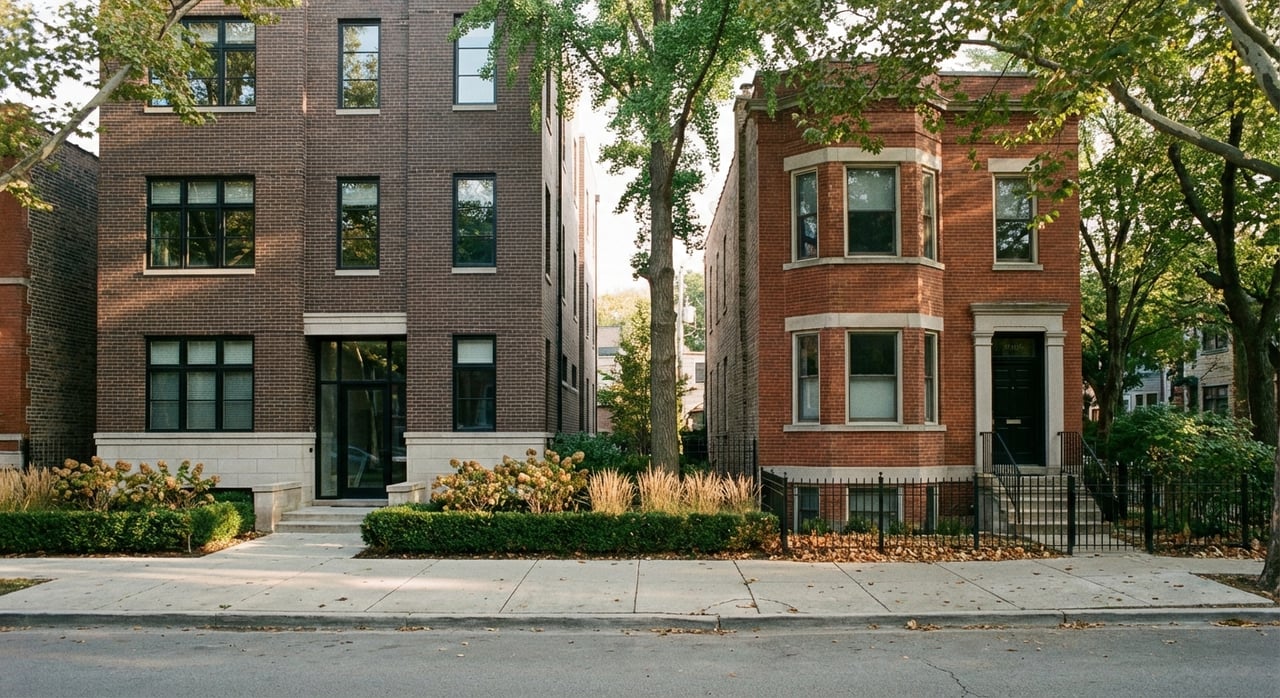
What you get: condos, townhomes, houses
Condo living: who it fits
Condos in Lincoln Park range from vintage walk‑ups and classic mid‑rises to amenity‑rich high‑rises near the lakefront. If you value walkability, building amenities, a doorman, fitness, or a rooftop, this is a strong fit. Day‑to‑day maintenance is lighter since the association covers common areas and building systems.
On pricing, MLS‑based reports show condo medians materially lower than detached homes. Recent snapshots place condo sold medians in the low‑to‑mid six‑hundreds for the area, with luxury units trading higher. For a current view, see the Lincoln Park condo market report.
Townhomes: the middle path
Townhomes offer multi‑level living, private entries, and often roof decks or attached garages. Some are fee simple, others are condominiumized, so exterior responsibilities and dues vary by community. If you want more space and a garage without the full yard upkeep of a house, a townhome can strike the right balance.
Pricing spans a broad range based on size and location. Larger 3‑ to 4‑bedroom townhomes can reach into seven figures, while smaller footprints can be more attainable than a full single‑family home on a comparable block.
Single‑family living: who it fits
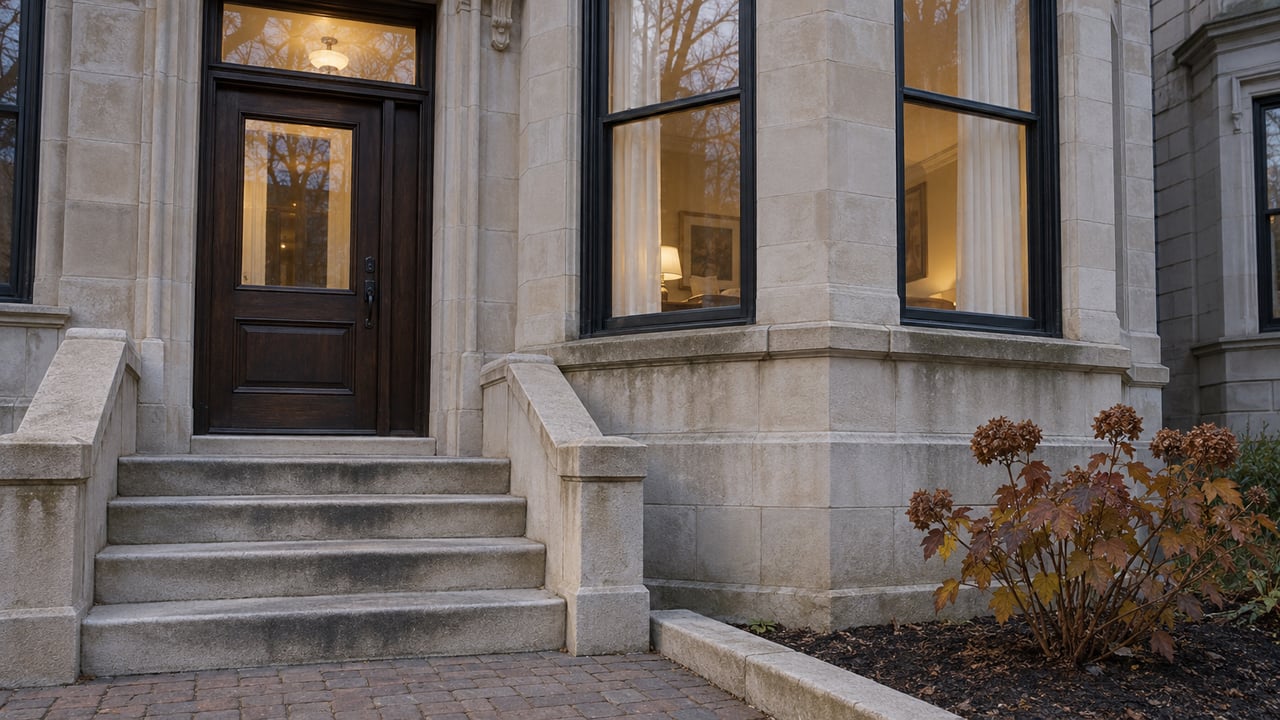
Detached homes in Lincoln Park include historic brownstones and greystones, as well as modern infill on deep city lots. You gain privacy, control over exterior changes, and a yard or patio, which many buyers prioritize. Maintenance is fully yours, which means more autonomy and more responsibility.
Expect a premium. Recent MLS snapshots show single‑family medians in the multi‑million range over short windows in Lincoln Park. For a data point, review the Lincoln Park single‑family market report.
Costs that matter in Lincoln Park
HOA dues, assessments, and reserves
- Condos: Your dues fund building operations, insurance, and long‑term reserves. Illinois law requires associations to prepare budgets and maintain reasonable reserves for capital needs. Read the budget, minutes, and reserve study to understand risk for upcoming projects like roofs or masonry. See the Illinois Condominium Property Act for the statutory framework.
- Townhomes: Fees and responsibilities vary. In some communities the association covers exterior maintenance, in others the owner does. Confirm whether the property is fee simple or part of a condominium association, then match that to the budget and reserve setup.
- Single‑family: No association dues in most cases. Budget for your own exterior, landscaping, and capital repairs.
Pro tip: A low monthly HOA can be a red flag if reserves are thin. Ask for the last 3 to 5 years of association financials and any special assessment history.
Insurance differences
- Condos: You will carry an HO‑6 policy that covers interior finishes, personal property, and liability. The building’s master policy covers the shell and common elements per its declarations. Review master policy deductibles and consider loss assessment coverage. For a practical overview of coverage scope and costs, see this primer on HO‑6 condo insurance in Chicago.
- Single‑family: You will carry a homeowner’s HO‑3 policy that covers the structure and personal property. Premiums tend to be higher than HO‑6 due to the broader coverage.
Cook County property taxes
Cook County taxes can shift with reassessments and policy changes, so verify the current bill and applicable exemptions. Start with the Cook County Assessor for assessment and exemption guidance. Recent reporting highlights county‑wide tax increases that many homeowners felt in the latest cycles, which makes accurate budgeting essential. See this local overview of Cook County property tax bill trends for context.
Financing differences to know
Financing can be straightforward for single‑family homes, but condominiums require building‑level review.
- FHA and VA loans: Building status matters. If you plan to use FHA or VA, confirm whether the condominium is approved early in your search. You can check status on HUD’s condo lookup. Lack of approval narrows loan options and may affect timelines.
- Conventional loans: Lenders apply warrantability standards, including owner‑occupancy, commercial space ratios, reserves, delinquencies, and litigation. Non‑warrantable condos often require larger down payments or portfolio products. Your lender and agent should flag any issues at the building level before you commit.
Resale and liquidity in Lincoln Park
- Condos: Resale strength ties directly to building health. Strong reserves, clean minutes, clear maintenance history, and reasonable rental policies support value and a wider buyer pool. Buildings with litigation, thin reserves, or frequent special assessments can slow liquidity and compress pricing.
- Townhomes: Buyers respond to private entries, garages, and outdoor space. Value tracks closely to immediate comparables and the character of the street and block.
- Single‑family: Inventory is thinner and lot quality varies, which contributes to the premium. Well‑located homes with thoughtful design and updated mechanicals often command outsized attention.
When you plan upgrades for either a condo or a house, design choices and presentation drive outcomes. The Kasey Group’s design‑forward advisory helps you focus on the finishes and fixes that protect resale and enhance daily living. If you need discretion or early access, Compass Private Exclusives can surface off‑market options that fit your brief.
Quick due diligence checklist
Before you make an offer, gather the documents and answers below. This will help you avoid surprises and negotiate with confidence.
- Association documents for condos or condo‑form townhomes: current budget, reserve study, last 3 years of financials, meeting minutes, master insurance declarations, litigation disclosures, and special assessment history. The Illinois Condominium Property Act outlines budgeting and reserve duties.
- FHA/VA status if relevant to your loan: verify on HUD’s condo lookup.
- HOA dues and what they include: clarify utilities, amenities, and recent dues increases.
- Master insurance details and deductibles: confirm if loss assessment coverage is advisable and whether upgrades are covered.
- Parking and storage specifics: deeded spots, assigned spaces, or street permits, plus any fees.
- Property tax bill and exemptions: request the current bill and confirm exemptions with the Cook County Assessor.
- Schools and neighborhood fit: identify the attendance boundaries if schools are part of your criteria. Use official district sources for accuracy.
- Inspection scope: for older masonry buildings, ask about roof timelines, tuckpointing, elevator modernization, and mechanical systems.
Which is right for you?
Choose a Lincoln Park condo if you value convenience, amenities, and a lock‑and‑leave lifestyle with lower hands‑on maintenance. Choose a house if privacy, control, and outdoor space top your list and you are comfortable managing maintenance. If you want a blend, a townhome offers multi‑level living with lower exterior obligations.
If you are weighing two great options, let the data guide you. Compare building or block‑level comps, study the association’s financial health, model taxes and insurance, and review your financing options early. A clear, side‑by‑side analysis often reveals the best fit for your lifestyle and budget.
Ready to map your next move with clarity and access? Connect with The Kasey Group for a tailored search, building‑level diligence, and curated on‑ and off‑market opportunities.
FAQs
What costs differ most between condos and houses in Lincoln Park?
- Condos add HOA dues and potential special assessments, while houses shift those costs into direct maintenance, insurance, and capital repairs you control.
How competitive is the Lincoln Park market for buyers in 2026?
- Recent snapshots show higher medians and shorter days on market, so expect well‑priced homes to move quickly and rely on building‑ or block‑level comps for precise pricing.
What should you review in a condo HOA before you buy in Lincoln Park?
- Read the budget, reserve study, minutes, insurance declarations, and assessment history to gauge near‑term projects, dues stability, and overall building health.
Will a Lincoln Park condo be harder to finance than a house?
- It depends on the building’s FHA/VA status and conventional warrantability, so have your agent and lender review project eligibility early in the process.
How do Cook County property taxes affect your monthly budget in Lincoln Park?
- Taxes can change with reassessments and exemptions, so pull the current bill, confirm exemptions, and model a range to protect your monthly cash flow.